About Us
Engineering that stays legible.
Black M is an IT company that designs and builds software for organizations that need dependable systems, not just a launch.

01Overview
What Black M does.
Black M works across the full lifecycle of software: shaping requirements, designing interfaces, writing and testing code, setting up infrastructure, and maintaining systems after release.
Our work ranges from internal tools and web applications to integrations between systems and the gradual modernization of older codebases. The common thread is a focus on software that keeps working and can keep changing.
02Mission
To build software that solves a real problem today and remains understandable to whoever maintains it tomorrow.
03Working principles
Four habits we hold to.
01
Understand before building
We spend time on the problem, the users and the constraints before proposing a solution.
02
Make decisions visible
Architecture choices and trade-offs are written down so they can be questioned and revisited.
03
Ship in small steps
Frequent, reviewable increments reduce risk and keep feedback close to the work.
04
Leave things better
Each change should make the codebase easier, not harder, for the next person.
04Engineering philosophy
Simple where possible. Deliberate where not.
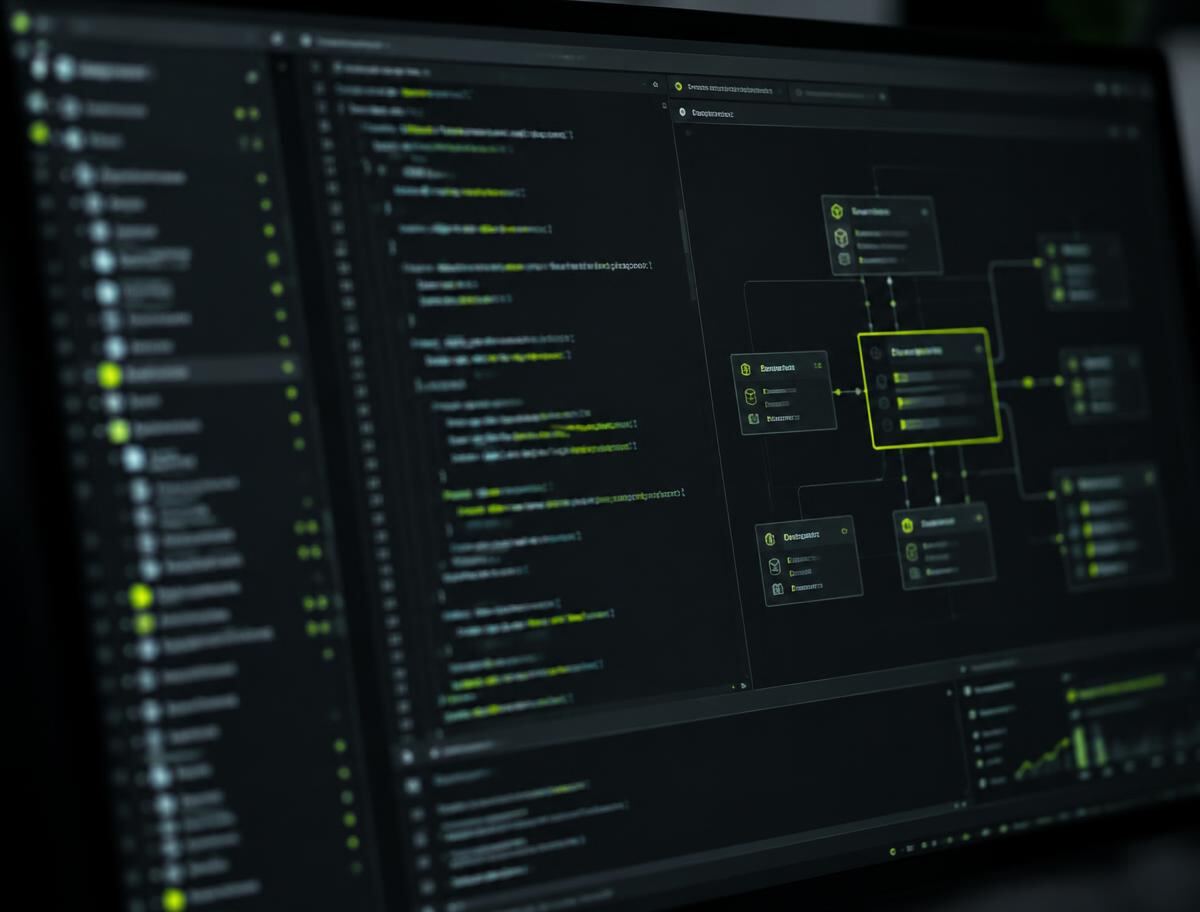
We prefer proven tools and straightforward designs. Complexity is introduced only when a requirement justifies it, and when it is, we document why.
Types, automated tests and code review are defaults rather than extras. They are how a codebase stays safe to change.
05Collaboration model
Close to your team, not behind a wall.
- Shared visibility. You see the backlog, the progress and the code as it develops.
- Regular demos. Working software is reviewed together at a steady rhythm.
- Direct access. You talk with the people doing the work.
- Written follow-ups. Decisions from calls are recorded so nothing depends on memory.
06Long-term maintainability
Built to be handed over.
Documentation
Setup instructions, architecture notes and operational runbooks live alongside the code.
Ownership
Repositories, infrastructure accounts and credentials belong to you from the start.
Upgrade paths
Dependencies are kept current and modules are separated so parts can be replaced independently.